Tie Die Patterns: A Creative Guide to Seamless Repetition
Tie dye patterns have long captivated designers, artists, and hobbyists with their vibrant, unpredictable beauty. These patterns are not just about color but also about the way they repeat, creating a seamless visual flow across surfaces. Whether you're working on fabric, digital design, or print materials, understanding how tie dye patterns work is essential for achieving professional results.
What Are Tie Die Patterns?
Tie dye patterns are created by binding sections of fabric with strings or bands before applying dyes. This process creates unique, organic shapes that often overlap and blend in unexpected ways. While traditionally associated with hand-dyed textiles, tie dye has evolved into a versatile design element used in graphic design, branding, and even digital art.
The appeal of tie dye lies in its ability to create visually engaging, eye-catching designs. However, many people overlook the importance of seamless repetition when using these patterns in larger formats like logos, banners, or backgrounds. A poorly designed pattern can disrupt the visual harmony of a project, leading to confusion or dissatisfaction.
Common Mistakes When Using Tie Die Patterns
Despite their popularity, tie die patterns are often misused or misunderstood. Here are some common mistakes that can affect the quality and effectiveness of your designs:
- Ignoring Pattern Scale: Many users apply tie dye patterns without considering how they scale. A pattern that looks great at 100x100 pixels may appear distorted or fragmented at larger sizes.
- Overlooking Seamless Repetition: Tie dye patterns are not always designed to repeat seamlessly. If not properly adjusted, the edges of the pattern can cause visible seams or breaks in the design.
- Misunderstanding File Formats: Not all file formats support high-quality, scalable graphics. Choosing the wrong format can lead to loss of detail or poor resolution, especially when printing or displaying large images.
- Not Checking Compatibility: Tie dye patterns may not work well with certain software or platforms. It's important to test the pattern in your intended environment before finalizing a project.
- Underestimating File Size: Large, high-resolution files can be resource-intensive. Failing to manage file size can slow down your workflow or cause compatibility issues with online tools.
Why Seamless Repetition Matters
Seamless repetition is crucial when using tie dye patterns in applications that require consistent coverage, such as backgrounds, wallpapers, or branding assets. A seamless pattern ensures that the design flows smoothly without visible breaks or overlaps.
For example, if you're designing a website background using a tie dye pattern, a non-seamless pattern may create awkward seams between repeated sections, making the design look unprofessional. In contrast, a well-constructed seamless pattern will maintain its integrity across the entire surface, enhancing both aesthetics and usability.
How to Achieve Seamless Repetition
To ensure seamless repetition, follow these practical steps:
- Use High-Quality Files: Choose patterns that are specifically designed for seamless repetition. Look for patterns that are optimized for scalability and clarity.
- Test in Different Sizes: Always preview your pattern at various sizes to ensure it remains cohesive and visually appealing.
- Check for Alignment: Ensure that the edges of your pattern align perfectly when repeated. This requires careful attention to detail and proper editing techniques.
- Optimize for Your Use Case: Consider the purpose of your design. A pattern used for a logo may need a different approach than one used for a background.
- Use the Right Software: Invest in tools that support seamless pattern creation and editing. Programs like Adobe Illustrator or Photoshop offer advanced features for this purpose.
Choosing the Right Tie Die Patterns
When selecting tie dye patterns, consider the following factors:
- Resolution: Ensure the pattern is at least 300dpi for high-quality prints. Lower resolution files may appear blurry or pixelated when scaled up.
- File Format: JPEG files are commonly used for tie dye patterns due to their balance of quality and file size. However, PNG files may be preferable for transparent backgrounds or detailed textures.
- License and Usage Rights: Always verify the licensing terms for any pattern you download. Some patterns may only be suitable for personal use or require attribution.
- Color Accuracy: Test the pattern under different lighting conditions to ensure the colors remain consistent and vibrant.
- Compatibility: Check that the pattern works well with your design software and intended platform.
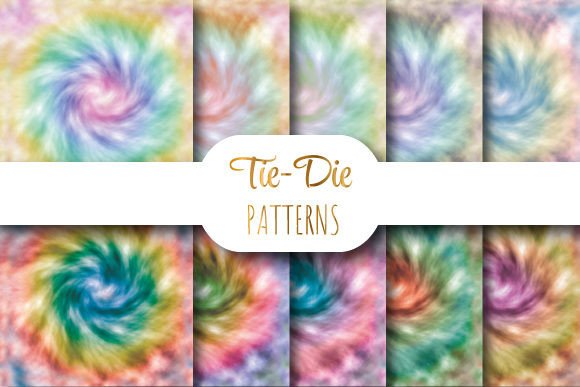
A zip file containing 10 JPEG files at 3600 x 3600 pixels (12 x 12 inches) is a great starting point for most projects. These files are large enough to maintain quality while still being manageable for most workflows.
Final Tips for Success
Before finalizing your design, take a few moments to review the following:
- Does the pattern look good in context? Test it in your intended application to ensure it enhances rather than detracts from the overall design.
- Is the file size appropriate? Large files can slow down your workflow or cause technical issues. Optimize where necessary without sacrificing quality.
- Have you considered alternative patterns? If the tie dye pattern isn't working as expected, explore other options that may better suit your needs.
- Are you using the right tools? Investing in the right software and resources can make a significant difference in the outcome of your project.
- Have you read the documentation? Understanding the limitations and capabilities of the pattern can help you avoid common pitfalls.
By avoiding these common mistakes and focusing on seamless repetition, you can unlock the full potential of tie dye patterns in your creative projects. With the right approach, these patterns can elevate your designs and deliver professional, polished results.