Algerian Patterns: A Unique Blend of Tradition and Modern Design
Algerian Patterns is a distinctive collection of visual elements that reflect the rich cultural heritage and artistic traditions of Algeria. These patterns are often inspired by the intricate textiles, embroidery, and architectural motifs found throughout the country. Unlike many other pattern sets, Algerian Patterns offer a unique combination of historical depth and contemporary relevance, making them a valuable resource for designers, artists, and anyone interested in cultural aesthetics.
The Distinctiveness of Algerian Patterns
What sets Algerian Patterns apart from similar design resources is their deep connection to the country’s diverse cultural influences. The patterns are rooted in the Berber, Arab, and French colonial legacies that have shaped Algeria’s visual language over centuries. This fusion results in a design vocabulary that is both complex and versatile.
One of the key characteristics of Algerian Patterns is the use of geometric shapes and symbolic motifs. These include interlocking triangles, zigzags, and floral designs that carry specific meanings within Algerian culture. For example, the "tessellated" patterns often seen in traditional rugs and fabrics are not only visually striking but also serve as a form of storytelling, conveying themes of unity, fertility, and protection.
In contrast to more abstract or minimalist pattern styles, Algerian Patterns tend to be highly detailed and layered. This complexity can be both an advantage and a challenge, depending on the intended use. While it allows for rich visual compositions, it may require more careful application to avoid overwhelming the final design.
Comparing Algerian Patterns with Similar Options
When considering alternatives to Algerian Patterns, it's important to understand how they stack up against other pattern libraries and design tools. Many popular pattern collections, such as those found in Adobe Illustrator or free online repositories, often focus on modern or international styles. While these can be useful, they may lack the cultural specificity and historical context that Algerian Patterns provide.
For instance, some global pattern databases emphasize clean lines and uniformity, which can be ideal for branding or product packaging. However, they may not offer the same level of cultural nuance as Algerian Patterns. On the other hand, some regional pattern sets, like those from Morocco or Egypt, share similarities with Algerian designs but often have distinct stylistic differences due to local traditions.
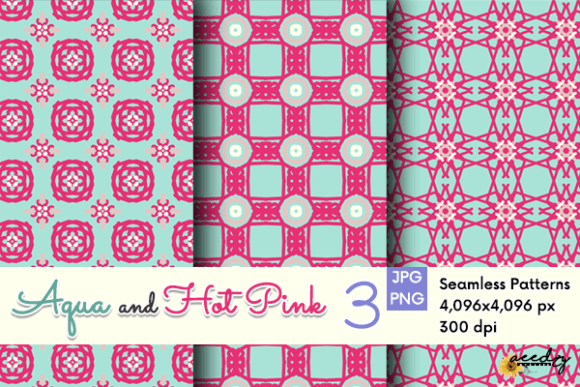
Another consideration is the format and accessibility of the patterns. Algerian Patterns Free PNG patterns, for example, are available in high-resolution sizes like 5000x5000 pixels, making them suitable for both digital and print applications. This level of detail ensures that the patterns remain sharp and clear when used in mockups or printed materials. In comparison, some free pattern resources may offer lower resolution options or limited color variations, which can affect the final output quality.
Strengths and Tradeoffs of Using Algerian Patterns
One of the strongest advantages of Algerian Patterns is their ability to add authenticity and depth to any design project. Whether you're creating a fashion line, interior decor, or graphic artwork, incorporating these patterns can give your work a unique cultural identity that stands out in a crowded market.
Additionally, the availability of Algerian Patterns Free PNG patterns makes them an accessible option for designers who may not have the budget for premium design assets. The white background and high resolution ensure that the patterns are ready to use without requiring extensive editing. This convenience is particularly beneficial for those working under tight deadlines or with limited technical expertise.
However, there are also tradeoffs to consider. The intricate nature of Algerian Patterns means they may not be suitable for every design context. For example, in a minimalist or modern aesthetic, these patterns could appear too busy or outdated. It's important to assess the overall design theme and determine whether the patterns will enhance or detract from the intended message.
Moreover, while the cultural richness of Algerian Patterns is a major selling point, it can also limit their versatility. If your project requires a more universal or adaptable design language, you might need to look elsewhere. That said, for projects that aim to celebrate or incorporate Algerian culture, these patterns can be an invaluable asset.
When to Choose Algerian Patterns
Algerian Patterns are best suited for projects that benefit from a strong cultural narrative or visual storytelling component. This includes fashion and textile design, where the patterns can be used to create garments that reflect traditional craftsmanship. They are also well-suited for interior design, especially in spaces that seek to blend modern functionality with cultural heritage.
Additionally, Algerian Patterns are ideal for educational or cultural initiatives that aim to promote awareness of Algerian art and history. Their detailed and symbolic nature makes them excellent tools for teaching about the country's rich visual traditions. In this context, the patterns serve not only as decorative elements but also as cultural artifacts.
For designers looking to differentiate their work in a competitive market, Algerian Patterns can help create a unique brand identity. By incorporating these patterns into logos, branding materials, or website backgrounds, businesses can convey a sense of authenticity and cultural appreciation that resonates with target audiences.
Alternatives to Consider
If Algerian Patterns do not align with your project's goals, there are several alternatives worth exploring. One option is to look into other regional pattern sets that share similar cultural influences, such as Moroccan or Tunisian designs. These can offer comparable levels of detail and symbolism while providing different visual textures and motifs.
For those seeking a more modern or streamlined approach, minimalist pattern libraries or abstract design resources may be more appropriate. These options often focus on simplicity and scalability, making them ideal for large-scale applications or digital interfaces.
Another alternative is to use custom-designed patterns created by independent artists or designers. This allows for greater flexibility and personalization, though it may come at a higher cost and require more time to develop.
Practical Applications and Use Cases
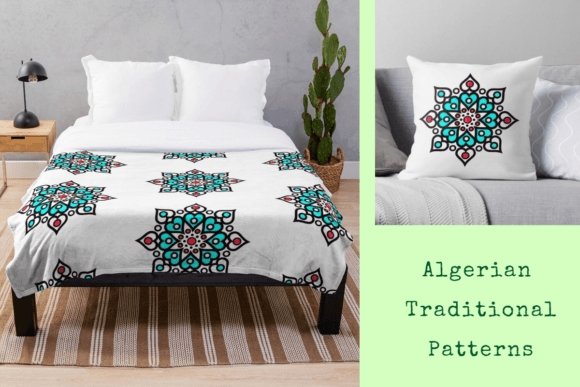
Algerian Patterns can be applied in a variety of practical ways. In the realm of fashion, they can be used to create fabric prints, accessories, or even home décor items. For example, a designer might incorporate Algerian-inspired patterns into a line of scarves or bags, adding a touch of cultural sophistication to everyday wear.
In the world of graphic design, these patterns can serve as background elements, text overlays, or decorative accents. When used thoughtfully, they can enhance the visual appeal of websites, social media content, or marketing materials without overpowering the main message.
For educators and cultural institutions, Algerian Patterns can be used to create engaging learning materials or interactive exhibits. Their historical and symbolic significance makes them a powerful tool for fostering cross-cultural understanding and appreciation.
Ultimately, the decision to use Algerian Patterns depends on the specific needs and goals of your project. By carefully evaluating the strengths, limitations, and potential applications of these patterns, you can make an informed choice that aligns with your creative vision and audience expectations.